


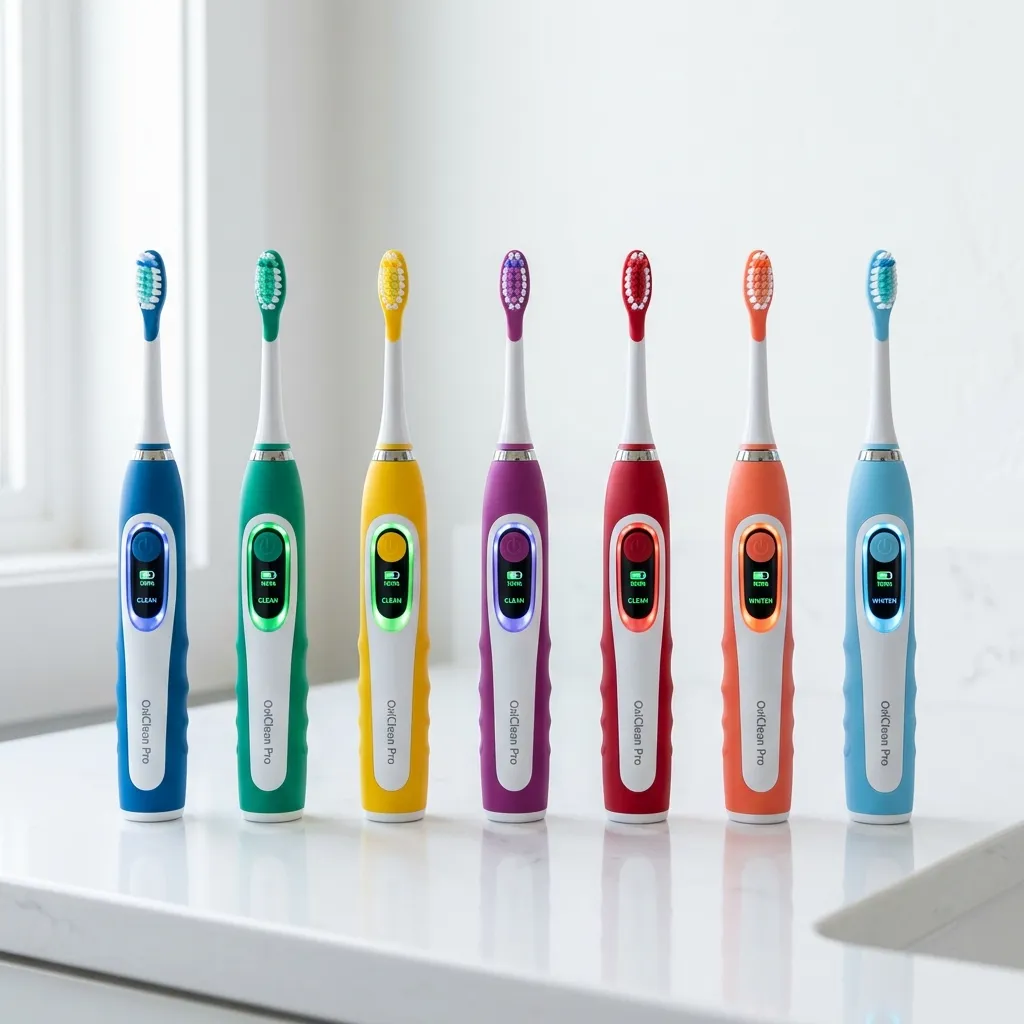
In today’s digital landscape, oral care has advanced far beyond the traditional manual brush. Electric toothbrushes offer a combination of power, precision, and convenience that can elevate your daily routine.
With millions of people seeking improved plaque removal, healthier gums, and a whiter smile, selecting the right electric toothbrush has become a crucial decision. This year, technological innovations have made brushes smarter, quieter, and more ergonomic than ever before.
Whether you’re transitioning from a manual brush or upgrading an outdated model, understanding the core benefits and features of electric toothbrushes is essential. From built-in timers to pressure sensors and multiple cleaning modes, these devices cater to a range of dental needs. In this comprehensive guide, we explore the key advantages, highlight the top-rated brushes, and provide actionable advice on maintenance and selection criteria. By the end of this article, you will have the insights needed to choose the perfect electric toothbrush to support your oral health goals and maintain a bright, confident smile.
The Benefits of Electric Toothbrushes
Electric toothbrushes have surged in popularity due to their ability to deliver consistent brushing performance and enhanced cleaning power. A study by the American Dental Association confirms that powered brushes can remove significantly more plaque than manual alternatives when used properly. Here are the primary benefits that make electric toothbrushes indispensable:
Superior Plaque Removal
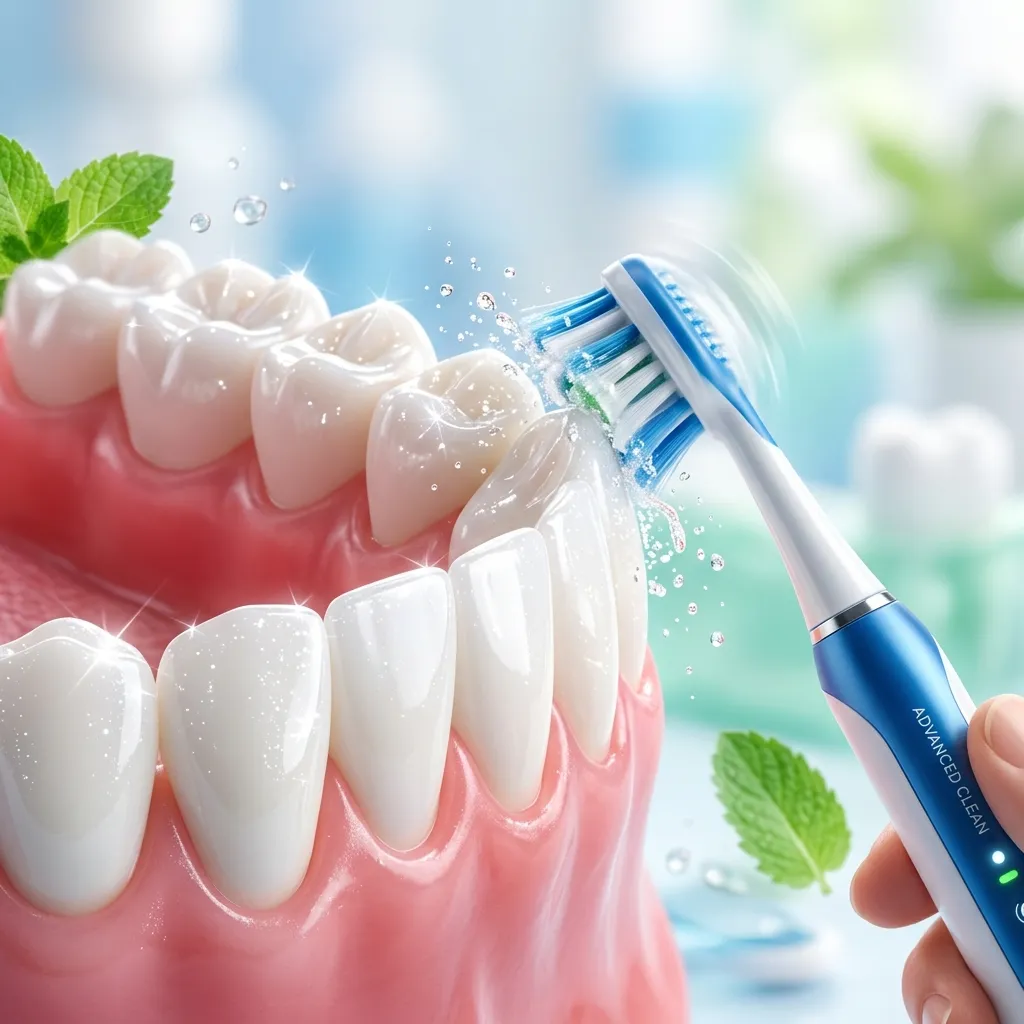
Oscillating, rotating, and sonic technologies break up and dislodge plaque more effectively than repeated manual strokes. Many models achieve up to 40,000 movements per minute, reaching deep between teeth and along the gumline. This dynamic action reduces the risk of cavities and gingivitis over time.
Built-In Timers and Pacers
Maintaining a full two-minute brushing session is vital. Most brushes include timers that buzz or pause every 30 seconds, ensuring even coverage of each quadrant. These features foster better habits, especially for children and individuals prone to rushing through their routine.
Pressure Sensors for Gum Protection
Overbrushing can harm enamel and irritate gums. Today’s electric toothbrushes feature pressure sensors that alert you when you apply excessive force. This real-time feedback helps preserve gum integrity and promotes gentler, more effective brushing.
Customizable Cleaning Modes
Multiple modes—such as sensitive, whitening, gum care, and deep clean—allow users to tailor each session to their specific needs. Sensitive mode often features a lower intensity ideal for those with receding gums or enamel erosion, while whitening mode uses high-frequency vibrations to polish tooth surfaces.
Enhanced Motivation Through Connectivity
Bluetooth-enabled brushes sync with companion apps, offering personalized coaching, brushing analysis, and reward systems. According to research from the National Institute of Dental and Craniofacial Research, interactive features can improve brushing consistency and technique by up to 20% in just a few weeks.
Key Features to Evaluate in Electric Toothbrushes
Choosing the right electric toothbrush involves more than picking the sleekest handle or the most modes. Consider these critical criteria to ensure your investment aligns with your oral health objectives and lifestyle.
1. Brushing Technology: Sonic vs. Oscillating
Sonic toothbrushes use high-frequency vibrations to agitate fluids and dislodge debris, covering larger surface areas quickly. Oscillating-rotating brushes alternate back-and-forth head movements for targeted plaque disruption. Both methods are effective, but sonic models often excel at reaching interdental spaces.
2. Battery Life and Charging Options
For travelers and minimalists, longer battery life and convenient charging are paramount. Many modern electric toothbrushes deliver over 30 days of use on a single charge. USB-C charging is becoming standard, enabling faster and more universal power replenishment, whereas inductive charging bases provide a neat, cable-free solution.
3. Cleaning Modes and Intensity Levels
Assess which modes align with your dental priorities. Whitening cycles typically run at higher intensities to lift stains, while gum care modes oscillate at gentler speeds. Some brushes offer massage or tongue-clean modes, enhancing overall oral hygiene. Ensure the brush you choose includes the modes you’ll actually use.
4. Ergonomics and Design
A comfortable grip and lightweight design reduce wrist strain during extended use. Brush head size and shape should allow easy access to molars and the back of the mouth. Models with non-slip handles and slim profiles often deliver the best maneuverability.
5. Smart Features and App Integration
If you’re tech-savvy, look for pressure sensors, real-time coaching, and brushing reports. App connectivity can help you track flossing habits, set goals, and receive oral care reminders. However, these extras usually come at a higher price point.
Top 6 Electric Toothbrushes Reviewed
The market offers a range of high-performance brushes suited for various needs. Here we present concise, expert assessments of the six standout electric toothbrushes tested for plaque removal, battery life, build quality, and smart features.
SonicClean Pro 9000
Equipped with an ultra-powerful sonic motor, the SonicClean Pro 9000 generates 40,000 strokes per minute. It boasts five cleaning modes—Standard, Sensitive, Whitening, Deep Clean, and Gum Care—plus a built-in pressure sensor. A travel case with USB-C charging and a replaceable antimicrobial brush head dock rounds out the package. Users report up to 45 days of usage on a full charge.
- Pros: Exceptional plaque removal; long battery life; comprehensive modes.
- Cons: Premium price; slightly bulky brush heads.
GlideClean Smart 700
Designed for families, the GlideClean Smart 700 includes two brush handles and four interchangeable heads. Its companion app offers brushing coaching, progress badges, and family account management. A quad-pacer timer ensures each segment of your mouth receives equal attention.
- Pros: Family-friendly kit; interactive app; thorough timing features.
- Cons: App limited to mobile devices; larger charger base.
WhisperQuiet Ultra
Operating at just 50 dB, the WhisperQuiet Ultra is ideal for early-morning brushing without disturbing others. It delivers 30,000 oscillations per minute in Standard, Sensitive, and Deep Clean modes. The slim handle improves maneuverability, though battery life caps at about two weeks.
- Pros: Ultra-quiet performance; ergonomic design; gentle modes.
- Cons: Shorter battery life; no smart connectivity.
PolarWhite Advanced
Featuring a UV-sterilizing head dock and a dedicated Whitening mode, the PolarWhite Advanced targets stubborn stains from coffee and tea. The UV station eliminates up to 99% of bacteria on brush heads, while 30 days of battery life ensure uninterrupted use.
- Pros: UV sterilization; potent whitening action; long battery life.
- Cons: Bulky sterilizing dock; higher brush head costs.
EcoBrush Recharge
Eco-conscious users will appreciate the EcoBrush Recharge’s bamboo-fiber brush heads and recyclable handle. It offers Sensitive, Clean, and Massage modes, with a full charge via USB-C in under two hours. While bristles may wear faster, the sustainable design is unmatched.
- Pros: Bamboo and recycled materials; fast charging; eco-friendly appeal.
- Cons: Limited modes; slightly shorter bristle lifespan.
DiamondClean Luxe
Philips’ flagship model, the DiamondClean Luxe, delivers six modes including Tongue Care and Gum Health. Sonic technology reaches up to 62,000 movements per minute, and the wireless charging glass adds a touch of elegance. Real-time pressure guidance and a premium travel case complete the experience.
- Pros: Multiple modes; wireless glass charger; high build quality.
- Cons: Highest cost; fragile charging glass.
Choosing the Right Electric Toothbrush for You

With various models on the market, selecting the ideal electric toothbrush depends on personal preferences, budget, and dental health requirements. Consider these questions to narrow down your options.
What Is Your Primary Oral Concern?
If plaque control is your main goal, opt for a high-frequency sonic brush like the SonicClean Pro 9000. For sensitive gums, consider a brush with dedicated gentle modes such as the WhisperQuiet Ultra or EcoBrush Recharge.
Do You Value Smart Features?
Tech enthusiasts benefit from Bluetooth-enabled brushes with coaching apps. The GlideClean Smart 700 and DiamondClean Luxe offer detailed feedback, brushing history, and gamified incentives, which can be particularly helpful for children or tech-minded adults.
How Often Do You Travel?
Frequent travelers should prioritize battery life and compact charging options. Models with 30+ day runtimes and USB-C charging—like the EcoBrush Recharge—ensure you won’t be left without power on the road.
What Is Your Budget?
Electric toothbrushes range from budget-friendly to premium. While flagship brushes deliver advanced features, mid-range models often provide key benefits at a lower cost. Balance desired functions against price to find the best value.
Caring for Your Electric Toothbrush: Tips and Best Practices
Maintaining your electric toothbrush ensures long-term performance and hygiene. Follow these best practices to extend the life of your device and protect your oral health.
Regular Brush Head Replacement
Dentists recommend replacing brush heads every three months or sooner if bristles appear frayed. Worn bristles lose effectiveness, reducing plaque removal efficiency.
Proper Cleaning and Drying
After each use, rinse the brush head and handle under running water. Shake off excess moisture and store the brush upright to air-dry. Avoid storing heads in sealed containers, as trapped moisture can promote bacterial growth.
Charging Habits
Avoid letting the battery fully deplete regularly. Top up charges when the indicator light signals low power. For inductive bases, keep contacts clean and dry to maintain optimal charging efficiency.
Sanitization Methods
Some brushes include UV sanitizers, while others benefit from occasional soak in a mouthwash solution. Follow manufacturer guidelines to prevent damage and ensure thorough disinfection.
Storage and Travel Care

Use protective caps to shield brush heads during transit. Invest in a sturdy travel case that accommodates both handle and head. Ensure the case allows ventilation to prevent mold growth.
Conclusion
Electric toothbrushes represent a significant upgrade in oral hygiene, providing superior plaque removal, customizable modes, and user-friendly features that promote healthier habits. This year, innovations in brush technology—such as sonic frequencies, UV sanitization, and app connectivity—have further enhanced performance and convenience.
Whether you opt for the family-oriented GlideClean Smart 700, the eco-friendly EcoBrush Recharge, or the premium DiamondClean Luxe, there’s a model tailored to your needs. By evaluating brushing technology, battery life, smart integrations, and design, you can select an electric toothbrush that fosters consistent, effective cleaning. Embrace this advancement in dental care and experience a brighter, healthier smile every day.
FAQs
Are electric toothbrushes really better than manual toothbrushes?
Yes. Studies from organizations like the American Dental Association suggest that electric toothbrushes can remove more plaque and reduce gingivitis more effectively than manual brushes when used correctly. Their consistent motion and built-in timers help improve brushing habits and overall oral hygiene.
How often should I replace my electric toothbrush head?
Most dentists recommend replacing brush heads every three months. If the bristles become frayed sooner, replace them immediately because worn bristles lose cleaning effectiveness and may irritate gums.
Can electric toothbrushes damage teeth or gums?
Electric toothbrushes are safe when used properly. Many modern models include pressure sensors that alert you if you brush too hard. Using excessive pressure—whether with a manual or electric brush—can contribute to gum recession and enamel wear.
Which is better: sonic or oscillating toothbrushes?
Both technologies are highly effective, but they work differently. Sonic brushes use high-frequency vibrations to clean larger surface areas and reach between teeth, while oscillating-rotating brushes focus on targeted plaque removal with rotating brush heads. Your preference depends on comfort, sensitivity, and brushing style.
Are electric toothbrushes suitable for sensitive teeth?
Absolutely. Many models include a Sensitive or Gum Care mode designed specifically for people with sensitive teeth, gum inflammation, or enamel erosion. These settings reduce vibration intensity while maintaining effective cleaning performance.
How long does an electric toothbrush battery typically last?
Battery life varies by model. Most modern electric toothbrushes last between two and six weeks on a single charge. Premium models like the Philips Sonicare DiamondClean may offer extended battery performance and travel-friendly charging solutions.
Do smart electric toothbrush apps actually help?
For many users, yes. Bluetooth-enabled brushes provide brushing feedback, pressure monitoring, and coverage tracking that can improve technique and consistency. These features are especially helpful for children, beginners, and people trying to improve oral hygiene habits.
Can children use electric toothbrushes?
Yes, many electric toothbrushes are designed specifically for children. Kid-friendly models usually feature smaller brush heads, softer bristles, lower vibration intensity, and interactive apps or timers to encourage better brushing habits.
Are expensive electric toothbrushes worth the money?
Premium models often include advanced features such as multiple cleaning modes, pressure sensors, UV sanitization, app connectivity, and premium travel cases. However, many mid-range electric toothbrushes still provide excellent cleaning performance at a more affordable price.
How should I clean and store my electric toothbrush?
Rinse the brush head thoroughly after each use and allow it to air dry upright. Clean the handle regularly and avoid storing the toothbrush in sealed containers where moisture can accumulate. Using a ventilated travel case helps prevent bacterial buildup during trips.
Can electric toothbrushes whiten teeth?
Electric toothbrushes can help remove surface stains caused by coffee, tea, and tobacco, making teeth appear whiter over time. Some models include dedicated Whitening modes that polish tooth surfaces more effectively, though they do not replace professional whitening treatments.
Is an electric toothbrush safe for braces and dental work?
Yes. Electric toothbrushes are generally safe and highly effective for people with braces, crowns, veneers, implants, and bridges. Soft bristles and specialized orthodontic brush heads can help clean around brackets and dental restorations more efficiently than manual brushing.



Leave a Reply